
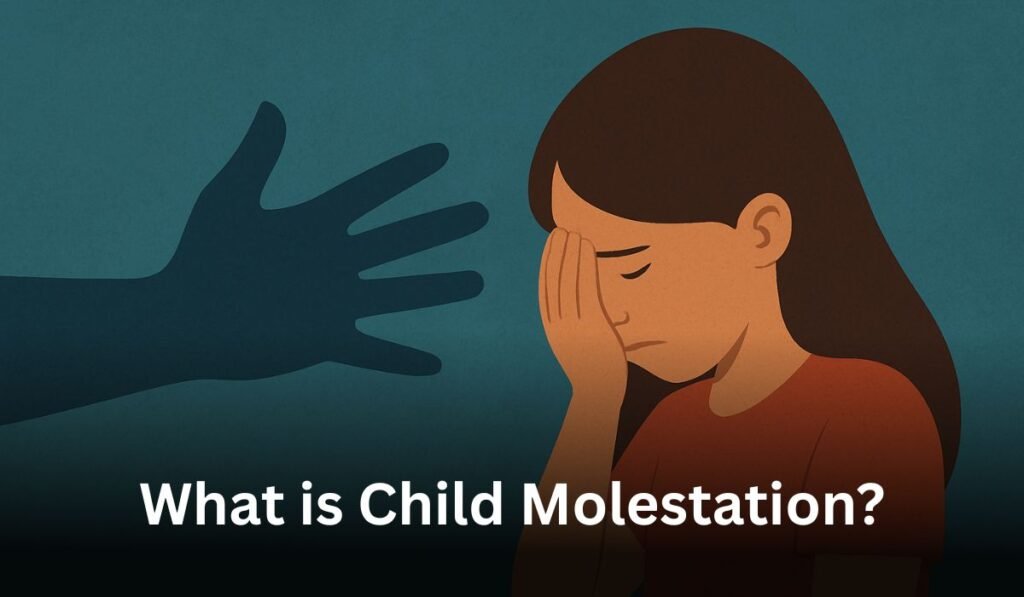
What is Child Molestation? A Comprehensive Guide
Child molestation is a serious crime where a minor is subjected to sexual abuse, exploitation, or inappropriate behavior by an adult. It deeply affects a child’s physical, emotional, and psychological well-being.
Recognizing the signs and understanding the legal framework is crucial for parents, guardians, and society to protect children and ensure their safety. By being informed, caregivers can take proactive steps to prevent abuse, address mental harassment cases, and seek justice for affected children.
Understanding Child Molestation
Child molestation is the act of sexually abusing a child. It can happen to both boys and girls and can occur in many places, including at home, school, or online. It is important to understand that children cannot legally give consent, so any sexual activity involving a child is considered illegal.
Key Points:
- Involves sexual acts with children under the age of 18.
- Can include touching, exploitation, or exposure to sexual content.
- Causes long-term mental and emotional damage.
- Children often cannot speak up due to fear or confusion.
Types of Child Molestation
Child molestation can happen in various ways. Understanding the types helps in recognizing and preventing abuse.
- Physical Molestation: Unwanted touching, sexual assault, or inappropriate physical contact.
- Online Abuse: Sending sexual content, grooming, or exploiting children via the internet.
- Verbal Harassment: Using sexual language or threats to intimidate or manipulate a child.
- Exploitation: Forcing children into sexual acts for money, media, or personal satisfaction.
- Neglect and Exposure: Exposing children to sexual situations, pornography, or unsafe environments.
Signs and Indicators of Child Molestation
Understanding the signs of child molestation can help caregivers and authorities identify and intervene in cases of abuse.
Behavioural Signs
- Withdrawal from family or friends.
- Reluctance to go to certain places or interact with specific individuals.
- Sudden changes in behaviour, such as aggression or anxiety.
Physical Signs
- Unexplained injuries, bruises, or discomfort in private areas.
- Trouble sitting or walking, which could be a sign of physical abuse.
Mental Health Indicators
- Depression, low self-esteem, and difficulty trusting others.
- Post-traumatic stress disorder (PTSD) or recurring nightmares.
Role of Parents and Caregivers
Open Communication
- Encourage children to speak openly about their feelings and any uncomfortable experiences.
- Reinforce that they will not be blamed for reporting inappropriate behaviour.
Monitoring Online Activities
- Keep track of children’s social media, gaming platforms, and other online interactions to prevent exposure to predators.
- Use parental controls to restrict access to explicit content.
Educating Children About Boundaries
- Teach children the difference between safe and unsafe touch.
- Empower them to say no and report any situation that makes them uncomfortable.
How to Report Child Molestation?
Steps to File a Complaint
- Contact the nearest police station or dial emergency helplines like 1098 (Childline).
- File a formal report under the POCSO Act or relevant sections of the IPC.
- Submit evidence, such as messages, photos, or medical reports, if available.
Role of Child Welfare Organizations
- Organizations like Childline India assist in reporting abuse and providing shelter to survivors.
- NGOs also offer counselling and legal aid to families.
Legal Assistance
Hiring a Sexual Offences Lawyer in Delhi ensures proper representation, from filing the complaint to securing justice in court.
Preventive Measures Against Child Molestation
Awareness and Education
- Schools should implement programs to educate children about personal safety and recognise inappropriate behaviour.
- Communities should conduct workshops for parents and caregivers to identify and address signs of abuse.
Safety Protocols in Institutions
- Establish strict background checks for staff in schools, daycare centres, and other child-centric organizations.
- Install surveillance systems to monitor activities in public and institutional spaces.
Community Vigilance
- Encourage neighbours and community members to report suspicious activities to authorities.
- Organize community safety programs to create awareness and foster collective responsibility.
The Psychological Impact of Child Molestation
- Mental Health Effects: Survivors of child molestation often endure long-term mental health effects, including PTSD, anxiety, and depression. These challenges can significantly impact their ability to form healthy relationships, trust others, and lead a fulfilling life. The trauma experienced during childhood may also lead to difficulties in coping with everyday stress and increase vulnerability to future mental health conditions.
- Counselling and Therapy: Professional therapy plays a crucial role in helping survivors process their trauma, regain self-confidence, and rebuild their sense of safety. Therapists use techniques such as cognitive-behavioural therapy (CBT) to address anxiety and PTSD symptoms. Support groups also provide a safe space for survivors to share their stories, learn coping strategies, and connect with others who have faced similar experiences.
- Academic and Social Impacts: Child molestation often disrupts a survivor’s education and social interactions. Survivors may struggle with academic performance, avoiding school or withdrawing from friends, due to feelings of shame, fear, or stigma.
- Increased Risk of Substance Abuse: Many survivors turn to substance abuse as a coping mechanism to numb their emotional pain. This behaviour, however, can lead to further health complications and hinder recovery.
- Physical Health Issues: The stress caused by trauma can manifest as physical symptoms, including chronic pain, sleep disturbances, and weakened immunity. Survivors may also develop psychosomatic conditions linked to their emotional distress.
- Role of Family Support: A supportive family environment is essential for recovery. Families that openly discuss and address the survivor’s trauma create a safe space for healing, reducing feelings of isolation and fostering resilience.
Legal Support for Survivors
Ensuring Justice
- Filing cases under POCSO or IPC ensures strict action against offenders.
- Survivors are entitled to special protections, such as in-camera trials and anonymity during proceedings.
Role of Lawyers
- A Sexual Offences Lawyer in Delhi can help survivors navigate the complexities of legal procedures and fight for their rights.
- Legal professionals also ensure that survivors and their families receive proper support throughout the trial.
Challenges and Solutions
- Delayed trials and lack of evidence can hinder justice.
- Advocating for fast-track courts and better investigative techniques can improve outcomes.
Legal Provisions for Child Molestation in India
Law/Section | Description | Penalty |
POCSO Act (2012) | Comprehensive law addressing sexual offences against minors. | Imprisonment or death for severe cases. |
Section 376 (IPC) | Punishes rape, including cases involving minors. | Minimum 10 years to life. |
Section 354 (IPC) | Covers acts of molestation or modesty outrage. | Imprisonment up to 5 years. |
Conclusion
Child molestation is a serious crime that causes physical, emotional, and psychological harm to children. Legal frameworks like the POCSO Act protect children, while families must ensure emotional support and safety. Mental harassment often accompanies molestation cases, making legal guidance crucial. Consulting a sexual offences lawyer in Delhi can help families navigate the legal system, file cases, and secure justice. Awareness, prevention, and timely action remain key to protecting children.
Frequently Asked Question
Child molestation refers to any sexual act or inappropriate behaviour directed toward a minor. This includes touching, exposing children to explicit content, or grooming, and it is considered a severe criminal offence under laws like the POCSO Act and IPC in India.
Signs of molestation include sudden behavioural changes like withdrawal, fear, or aggression, as well as physical indicators such as unexplained injuries or discomfort. Mental health issues like anxiety, depression, or PTSD may also signal abuse.
If you suspect child molestation, immediately report it to the police or call emergency helplines like 1098 (Childline). Provide any evidence and consult a legal expert.
The POCSO Act (2012) is the primary law addressing child sexual abuse. Other provisions under the Indian Penal Code (IPC), like Sections 376 and 354, also penalize acts of molestation and related crimes against minors.
Parents can educate children about personal safety, monitor their online activities, and maintain open communication to encourage reporting of uncomfortable situations.
Table of Contents

Advocate Priya Paul
Advocate Priya Paul, a proactive Delhi-based lawyer, leads a skilled team and shares legal insights through her blog to help readers navigate the law.
Advocate Priya Paul
Advocate Priya Paul, a proactive Delhi-based lawyer, leads a skilled team and shares legal insights through her blog to help readers navigate the law.